
دستهبندی: پکیج های اماده نصب برق خورشیدی
برچسبها :
باتری 45 آمپر ساعت دیپ سایکل ژل:1
اینورتر سینوسی 1000 وات 12 ولت:1
شارژ کنترلر خورشیدی 20 آمپر MPPT:1
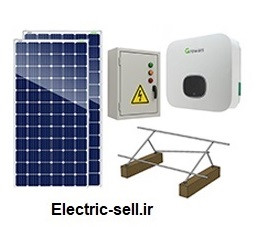
باتری 45 آمپر ساعت دیپ سایکل ژل
1
اینورتر سینوسی 1000 وات 12 ولت
1
شارژ کنترلر خورشیدی 20 آمپر MPPT
1
مقایسه UPS و سیستم برق خورشیدی برای تأمین برق اضطراری
UPS یکی از رایجترین روشهای تأمین برق اضطراری است و در زمان قطع برق، انرژی ذخیرهشده در باتریها را در اختیار مصرفکننده قرار میدهد. اما محدودیت اصلی UPS این است که پس از تخلیه باتریها، تا زمان بازگشت برق شهر امکان شارژ مجدد وجود ندارد. به همین دلیل در قطعیهای طولانیمدت، کارایی UPS به ظرفیت باتریهای آن محدود میشود و در بسیاری از موارد تنها برای چند ساعت یا تعداد مشخصی از دفعات استفاده پاسخگو است.
در مقابل، سیستم برق خورشیدی علاوه بر باتری، از پنلهای خورشیدی برای تولید انرژی استفاده میکند. این ویژگی باعث میشود باتریها در طول روز بهصورت مداوم شارژ شوند و وابستگی سیستم به برق شبکه کاهش یابد. در نتیجه، حتی در زمان قطعیهای طولانی برق نیز امکان ادامه فعالیت تجهیزات وجود دارد. همچنین سیستمهای خورشیدی قابلیت توسعه دارند و میتوان با افزایش تعداد پنلها یا ظرفیت باتریها، زمان پشتیبانی و توان خروجی را متناسب با نیاز افزایش داد.
از دیدگاه اقتصادی نیز اگرچه هزینه اولیه سیستم خورشیدی ممکن است بیشتر از یک UPS معمولی باشد، اما در بلندمدت به دلیل تولید انرژی رایگان از نور خورشید، ارزش سرمایهگذاری بالاتری دارد. به همین دلیل امروزه بسیاری از صاحبان باغها، ویلاها، کارگاهها و ساختمانهای مسکونی، سیستمهای خورشیدی را بهعنوان راهکاری پایدار، مستقل و قابلاعتماد برای تأمین برق اضطراری انتخاب میکنند.
Comparison of UPS and Solar Power System for Emergency Power Supply
UPS is one of the most common methods of emergency power supply and provides the consumer with the energy stored in the batteries during a power outage. However, the main limitation of UPS is that after the batteries are discharged, there is no possibility of recharging until the city power returns. For this reason, in long-term outages, the efficiency of UPS is limited to the capacity of its batteries and in many cases it is only responsive for a few hours or a certain number of times of use.
In contrast, a solar power system uses solar panels to generate energy in addition to batteries. This feature allows the batteries to be charged continuously throughout the day and reduces the system's dependence on grid power. As a result, it is possible to continue operating the equipment even during long power outages. Solar systems are also expandable and the support time and output power can be increased according to the need by increasing the number of panels or battery capacity.
From an economic perspective, although the initial cost of a solar system may be higher than a conventional UPS, in the long run it is worth the investment due to the free energy generated from sunlight. For this reason, many owners of gardens, villas, workshops and residential buildings today choose solar systems as a sustainable, independent and reliable solution for providing emergency power.
مقایسه UPS و سیستم برق خورشیدی برای تأمین برق اضطراری
UPS یکی از رایجترین روشهای تأمین برق اضطراری است و در زمان قطع برق، انرژی ذخیرهشده در باتریها را در اختیار مصرفکننده قرار میدهد. اما محدودیت اصلی UPS این است که پس از تخلیه باتریها، تا زمان بازگشت برق شهر امکان شارژ مجدد وجود ندارد. به همین دلیل در قطعیهای طولانیمدت، کارایی UPS به ظرفیت باتریهای آن محدود میشود و در بسیاری از موارد تنها برای چند ساعت یا تعداد مشخصی از دفعات استفاده پاسخگو است.
در مقابل، سیستم برق خورشیدی علاوه بر باتری، از پنلهای خورشیدی برای تولید انرژی استفاده میکند. این ویژگی باعث میشود باتریها در طول روز بهصورت مداوم شارژ شوند و وابستگی سیستم به برق شبکه کاهش یابد. در نتیجه، حتی در زمان قطعیهای طولانی برق نیز امکان ادامه فعالیت تجهیزات وجود دارد. همچنین سیستمهای خورشیدی قابلیت توسعه دارند و میتوان با افزایش تعداد پنلها یا ظرفیت باتریها، زمان پشتیبانی و توان خروجی را متناسب با نیاز افزایش داد.
از دیدگاه اقتصادی نیز اگرچه هزینه اولیه سیستم خورشیدی ممکن است بیشتر از یک UPS معمولی باشد، اما در بلندمدت به دلیل تولید انرژی رایگان از نور خورشید، ارزش سرمایهگذاری بالاتری دارد. به همین دلیل امروزه بسیاری از صاحبان باغها، ویلاها، کارگاهها و ساختمانهای مسکونی، سیستمهای خورشیدی را بهعنوان راهکاری پایدار، مستقل و قابلاعتماد برای تأمین برق اضطراری انتخاب میکنند.
Comparison of UPS and Solar Power System for Emergency Power Supply
UPS is one of the most common methods of emergency power supply and provides the consumer with the energy stored in the batteries during a power outage. However, the main limitation of UPS is that after the batteries are discharged, there is no possibility of recharging until the city power returns. For this reason, in long-term outages, the efficiency of UPS is limited to the capacity of its batteries and in many cases it is only responsive for a few hours or a certain number of times of use.
In contrast, a solar power system uses solar panels to generate energy in addition to batteries. This feature allows the batteries to be charged continuously throughout the day and reduces the system's dependence on grid power. As a result, it is possible to continue operating the equipment even during long power outages. Solar systems are also expandable and the support time and output power can be increased according to the need by increasing the number of panels or battery capacity.
From an economic perspective, although the initial cost of a solar system may be higher than a conventional UPS, in the long run it is worth the investment due to the free energy generated from sunlight. For this reason, many owners of gardens, villas, workshops and residential buildings today choose solar systems as a sustainable, independent and reliable solution for providing emergency power.